Lighting the Spirit: Holika Dahan Marks the Triumph of Good Over Evil
Holika Dahan, a vibrant and sacred ritual celebrated across India and many parts of the world, heralds the victory of good over evil. This ancient tradition, observed on the eve of the Holi festival, involves lighting bonfires that symbolize the burning away of negativity and the ushering in of hope, purity, and renewal.
The festival is rooted in the timeless tale of Prahlad and Holika from Hindu mythology. Prahlad, a devoted follower of Lord Vishnu, was relentlessly persecuted by his demon king father, Hiranyakashipu, who sought to destroy him for his unwavering faith. Holika, the demon king’s sister, had a magical cloak that protected her from fire. She tried to burn Prahlad by sitting with him in a fire, but the cloak miraculously flew to Prahlad, sparing him and consuming Holika instead. This miraculous event symbolizes the ultimate triumph of righteousness and devotion over malice and evil.
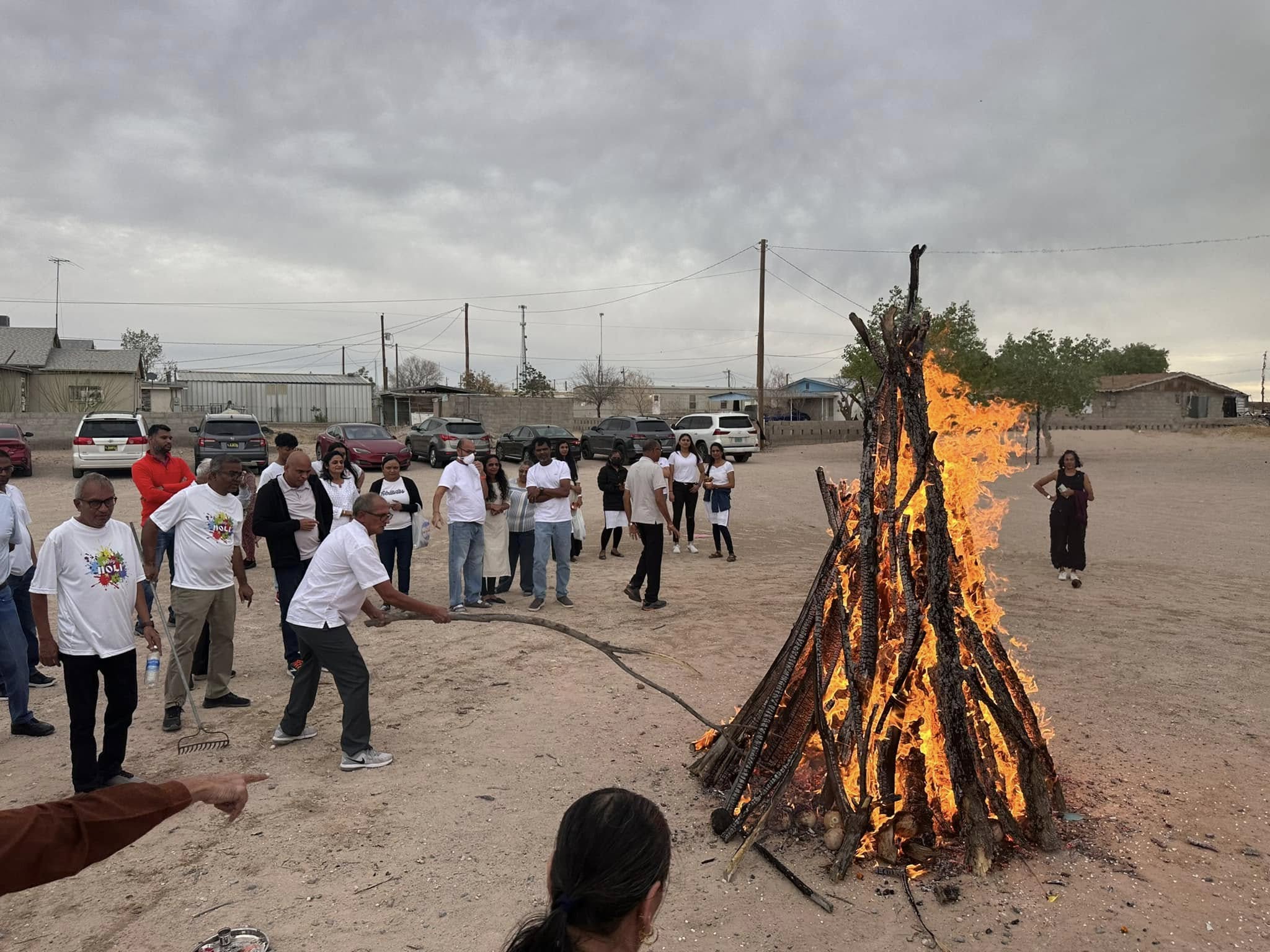
Communities gather at dusk on Holika Dahan day to light towering bonfires made of wood, dried leaves, and old articles. The flames crackle high as families and neighbors sing traditional songs, perform rituals, and offer prayers for protection and prosperity. The fire represents the purification of the mind and spirit, burning away sins, doubts, and fears.
Beyond its mythological origin, Holika Dahan serves as a powerful metaphor for inner transformation. The fire encourages individuals to overcome their own “demons” — such as anger, jealousy, and hatred — to embrace compassion, forgiveness, and love. It’s a time to reflect on personal growth and to start anew with a clean slate.
- Celebrate Holika Dahan, the sacred bonfire ritual symbolizing the triumph of good over evil and the renewal of spirit.
- Discover the powerful story behind Holika Dahan and how it marks the victory of devotion and righteousness in Hindu tradition.
- Holika Dahan bonfires ignite hope, unity, and inner transformation as communities prepare for the vibrant festival of Holi.
- Experience the spiritual significance of Holika Dahan, where fire cleanses negativity and celebrates the strength of good.